
How to Choose a Notebook You’ll Actually Use Every Day
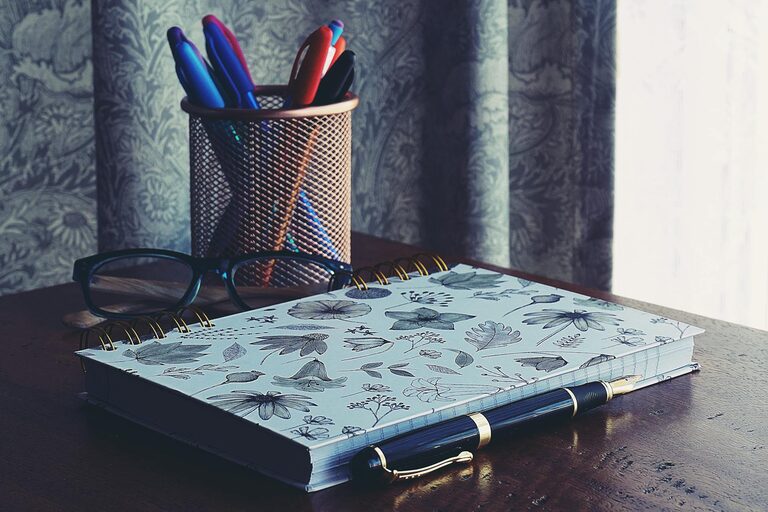
Choosing a notebook might seem like a simple task, but if you want one that you’ll actually use, a little thought goes a long way. A notebook is more than just paper; it’s a tool that can help you organize thoughts, track goals, brainstorm creative ideas, or simply capture daily moments. Whether you’re a student, professional, artist, or planner, the right notebook can keep you motivated and organized.
In this guide, we’ll explore factors to consider when selecting a notebook that fits your unique style and purpose.
Why Choosing the Right Notebook Matters
Not everyone uses notebooks in the same way. Some prefer detailed planners, while others like to scribble quick notes. If your notebook isn’t suited to your habits or preferences, it might just end up collecting dust.
A well-chosen notebook encourages consistent use, creativity, and helps you stay on top of your tasks or ideas. Let’s look at the key points to keep in mind.
Step 1: Identify Your Purpose
Before buying a notebook, ask yourself what you’ll mainly use it for. Here are some common uses:
– Daily journaling or diary: Reflect on your day or write personal thoughts.
– Work or study notes: Take meeting minutes, lecture notes, or keep project ideas.
– Creative projects: Sketching, doodling, or brainstorming.
– Planning and organization: To-do lists, calendars, goal tracking.
– Recipe or hobby collection: Save favorite recipes, travel plans, or craft ideas.
Knowing your primary use helps you select the right size, paper type, and layout.
Step 2: Choose the Right Size
Notebooks come in various sizes, each with its own benefits:
– Pocket size (A6 or smaller): Easy to carry but limited space.
– Medium size (A5): Balanced size, portable yet spacious.
– Large size (A4 or letter): Great for detailed notes or sketching but less portable.
Think about where you’ll use it. If you travel or commute, a smaller notebook fits better. For desk work or art, a larger size may be more comfortable.
Step 3: Select the Paper Type and Quality
Paper quality affects writing experience and durability.
– Weight (gsm): Higher gsm means thicker paper that resists ink bleed-through. For regular pen use, 70-90 gsm is usually fine. For markers or fountain pens, look for 100 gsm or higher.
– Texture: Smooth paper is better for writing, while textured paper suits sketching.
– Color: Classic white is common, but cream or ivory tones are gentler on the eyes.
– Ruling: Options include lined, blank, dotted, or grid.
– Lined: Great for writing.
– Blank: Perfect for sketching.
– Dotted: Offers subtle guides, ideal for bullet journaling or mixed use.
– Grid: Useful for detailed notes or drawings.
Step 4: Consider Binding and Durability
Notebooks have different bindings which affect durability and usability.
– Spiral bound: Easy to flip pages, can lay flat, but spirals might get damaged.
– Sewn or stitched binding: Durable and elegant, often lays flat nicely.
– Glue bound (perfect binding): Looks clean but may not lay flat well.
– Hardcover vs Softcover: Hardcover offers protection and sturdiness, softcover is lighter and more flexible.
Think about how you’ll use your notebook daily and what type of binding will hold up best.
Step 5: Layout and Extras
Some notebooks come with added features:
– Numbered pages: Great for indexing.
– Table of contents: Helps organize multiple topics.
– Perforated pages: Easy to tear out notes.
– Pocket folder: For storing receipts, stickers, or loose papers.
– Pen loops or elastic bands: Keep your pen handy and notebook closed.
Decide which extras suit your workflow without adding unnecessary bulk.
Step 6: Design and Aesthetics
While function is key, enjoying the look and feel of your notebook encourages you to use it.
– Choose a cover design that inspires you — minimalistic, colorful, patterned, or personalized.
– Consider the weight — a slim notebook is easier to carry.
– Some prefer eco-friendly or recycled paper options.
Picking a notebook that feels good to hold and matches your style makes writing more enjoyable.
Step 7: Test Before You Commit
If possible, visit a store to try writing on different notebooks. Feel the paper, check how your favorite pen performs, and see which size and binding feel best.
Alternatively, buy from retailers with good return policies.
Tips to Make the Most of Your Notebook
Once you’ve picked the right notebook, here are some ideas to keep it organized and useful:
– Set clear goals for what you want to track or write.
– Use tabs or sticky notes to mark important sections.
– Develop a habit to write daily or regularly.
– Personalize your notebook with stickers or drawings.
– Review and reflect often, so the notebook stays meaningful.
Conclusion
Choosing a notebook you’ll actually use is about matching it to your lifestyle, preferences, and habits. By considering factors like size, paper type, binding, and extras, you’ll find a notebook that suits your needs and inspires you to keep writing.
Next time you’re shopping for a notebook, take a moment to think about how and where you’ll use it — your perfect companion might just be waiting on the shelf.
Happy writing!