
Beginner Tips for Backyard Birdwatching: A Guide to Enjoying Nature at Home
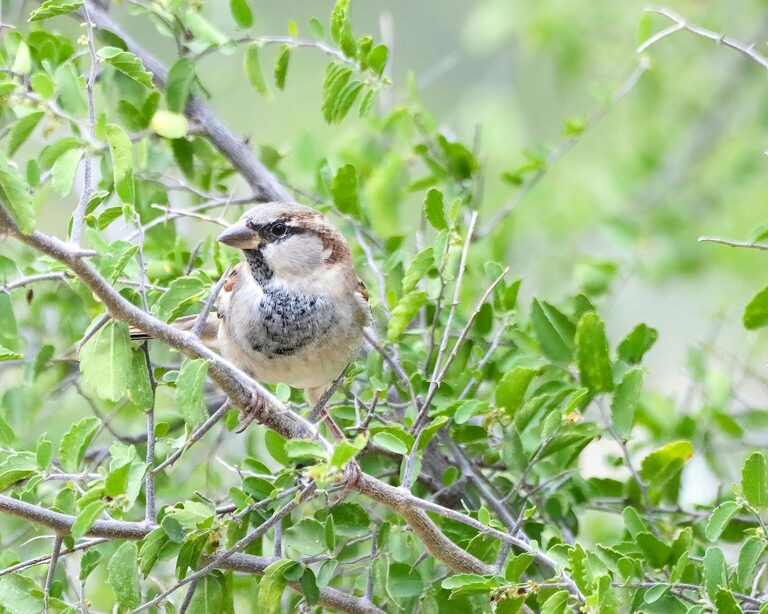
Birdwatching is a rewarding and accessible hobby that allows people to connect with nature without leaving their own backyard. Whether you live in the city or the countryside, observing birds can be both relaxing and educational. If you’re new to birdwatching, this guide offers beginner-friendly tips to help you get started, attract more birds, and enjoy your time outdoors.
Why Choose Backyard Birdwatching?
Watching birds in your backyard has many benefits. It requires minimal equipment, encourages mindfulness, and fosters a deeper appreciation for local wildlife. Plus, it’s something the entire family can enjoy together.
Starting your birdwatching journey at home means you can observe bird behavior over time and learn to identify different species through sight and sound. Let’s explore how to create an inviting bird-friendly environment and improve your observation skills.
Setting Up Your Backyard for Birdwatching
1. Provide Food Sources
Birds are attracted to reliable food sources. Here are some tips for feeding birds safely:
– Use Bird Feeders: Different feeders suit different bird species. Tube feeders attract finches and chickadees; platform feeders are good for ground-feeding birds like doves and sparrows.
– Choose the Right Seeds: Black oil sunflower seeds are popular because many bird species enjoy them. Nyjer seeds attract finches, while crushed peanuts appeal to woodpeckers and nuthatches.
– Offer Fresh Water: A birdbath with clean water for drinking and bathing is a big draw. Keep the water fresh and change it regularly to prevent mosquitoes.
2. Add Native Plants
Native plants provide natural food sources like berries, seeds, and nectar as well as shelter and nesting sites. Consider planting:
– Flowering shrubs
– Berry-producing bushes
– Seed-bearing grasses and wildflowers
These plants will support local bird populations and add natural beauty to your garden.
3. Provide Shelter and Nesting Sites
Birds need safe places to hide from predators and harsh weather. You can help by:
– Installing birdhouses suited to local species
– Leaving some brush piles or natural debris in a quiet area
– Growing dense shrubs and trees for cover
Getting Started with Birdwatching
1. Gather Basic Equipment
You don’t need a lot of gear to begin birdwatching. Here’s what will help:
– Binoculars: A lightweight pair with a magnification around 8x is ideal for backyard birdwatching.
– Field Guide or App: Use a bird identification book or a smartphone app to help identify species by sight and sound.
– Notebook: Keep a journal to record your sightings and observations.
2. Observe Quietly and Patiently
Birds can be shy and easily scared away. Try these techniques:
– Move slowly and avoid sudden movements.
– Find a comfortable spot where you can sit quietly for a while.
– Observe without making noise or casting shadows over feeders.
3. Learn Common Bird Calls
Many bird species have unique calls and songs. Learning to recognize these sounds can help you identify birds even if they are hidden in bushes or trees. YouTube, birding apps, and nature websites offer audio samples that can be practiced from home.
Tips to Attract More Birds
– Keep Feeders Clean: Dirty feeders can spread disease. Clean regularly with warm soapy water.
– Offer Variety: Different birds prefer different foods, so provide a mix of seeds, suet, nectar (for hummingbirds), and fruit.
– Change Feeder Placement: Moving feeders occasionally can attract new species.
– Avoid Pesticides: Chemicals can harm birds and reduce their natural food supply.
Enjoying Birdwatching Year-Round
Different seasons bring different birds. In the spring and summer, you may see more songbirds and nesting activity. In fall and winter, migrating species or hardy residents can brighten your yard. Adjust your feeding and water routines accordingly to support the birds year-round.
Building Your Birdwatching Skills
– Practice Patience: Birds may take time to visit. Enjoy the process of watching and waiting.
– Join Local Groups: Many areas have birdwatching clubs or online communities where beginners can learn and share sightings.
– Keep Learning: Explore books, websites, and documentaries about birds in your region to deepen your knowledge.
Final Thoughts
Backyard birdwatching is a wonderful way to slow down, appreciate the natural world, and find joy in simple moments. By creating a welcoming environment, using basic tools, and spending time observing patiently, beginners can quickly become confident birdwatchers. So grab your binoculars, get outside, and start discovering the fascinating birds that call your backyard home!
Happy birdwatching!