
Beginner Tips for Taking Better Phone Photos
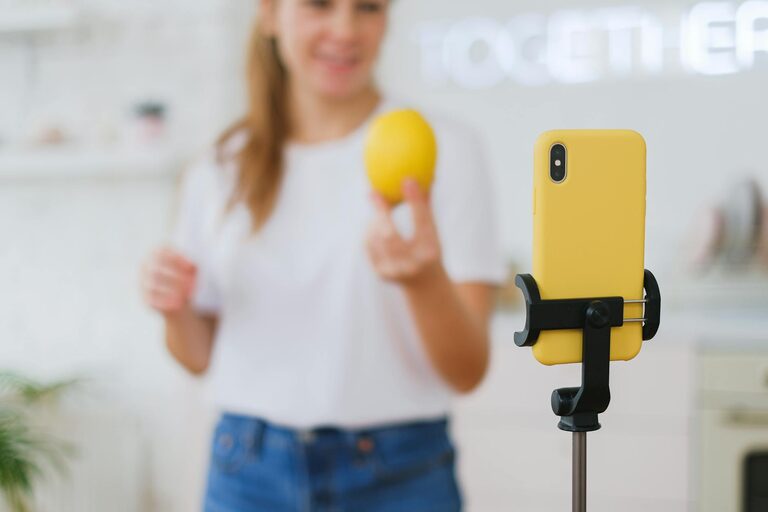
Taking great photos with your phone doesn’t require expensive equipment or advanced skills. With a few simple tips and some practice, anyone can capture beautiful, memorable images. Whether you want to improve your social media snapshots, capture special moments, or explore photography creatively, this guide will help you get started.
Understand Your Phone Camera
Before diving into techniques, familiarize yourself with your phone’s camera features. Most modern smartphones have multiple lenses, shooting modes, and editing tools built-in.
– Explore camera settings: Check out options like HDR, timer, grid lines, and filters.
– Try different lenses: Many phones have wide-angle, macro, or zoom lenses—experiment to see how each works.
– Update your software: Keeping your phone’s operating system and camera app updated ensures you have the latest features and improvements.
Master the Basics of Composition
Good composition helps your photos look balanced and engaging. Here are some beginner-friendly composition tips:
Use the Rule of Thirds
Turn on the grid lines in your camera settings. The grid divides your frame into thirds both horizontally and vertically. Place important elements along these lines or where they intersect to create a more dynamic image.
Keep the Horizon Straight
A tilted horizon can distract from an otherwise great photo. Use the grid or alignment tools to keep your landscape shots level.
Fill the Frame
Get closer to your subject or zoom in to remove unnecessary background clutter. Filling the frame makes your subject stand out and creates a stronger visual impact.
Look for Leading Lines
Lines in your image, like roads, fences, or shadows, can guide the viewer’s eye toward the subject and add depth.
Focus and Exposure
Proper focus and exposure are key to sharp, well-lit photos.
Tap to Focus
Tap on your phone screen where you want the camera to focus. This helps the subject appear sharp and clear.
Adjust Exposure
After tapping to focus, many phones allow you to slide your finger up or down to increase or decrease brightness. Use this to avoid overexposed (too bright) or underexposed (too dark) photos.
Use Natural Light
Lighting is one of the most important factors in photography.
– Shoot during golden hour: Early morning or late afternoon light is soft and warm.
– Avoid harsh midday sun: It can create strong shadows and highlights.
– Use shade: If the light is too bright, try moving your subject into the shade for even lighting.
– Turn off the flash: Most phone flashes produce harsh light. Instead, look for natural light sources or use lamps indoors.
Steady Your Shot
Blurry images often result from camera shake. Keep your phone steady by:
– Holding your phone with both hands.
– Leaning your body or arms against a solid surface.
– Using a tripod or phone stand for long exposures or low-light shots.
Experiment with Different Perspectives
Change the angle or viewpoint to add interest.
– Shoot from high above for a bird’s-eye view.
– Get low to the ground for a dramatic, larger-than-life effect.
– Try side angles or diagonal framing to create movement.
Use Editing Apps Wisely
Post-processing can enhance your photos, but starting with a good image is essential.
– Crop or straighten to improve composition.
– Adjust brightness, contrast, and saturation to refine colors.
– Apply filters subtly to add mood without overpowering.
– Popular editing apps include Snapseed, VSCO, and Lightroom Mobile.
Practice Regularly
Like any skill, photography improves with practice.
– Challenge yourself to take daily photos.
– Study photos you like and try to replicate the style.
– Review your pictures and learn what works best.
Backup Your Photos
Don’t lose your hard work! Regularly back up photos to cloud storage or a computer to keep them safe and organized.
Final Thoughts
Better phone photography is within your reach simply by paying attention to light, composition, and focus. Have fun experimenting and capturing the world through your unique perspective. With patience and practice, your phone photos will soon rival those taken with more advanced cameras.
Happy shooting!